Revitalize Your Home: Essential Facts On Residential Improvement Projects for Each House Owner
Property owners frequently look for ways to improve their residences through remodeling services. These renovations extend starting with kitchen improvements to comprehensive home makeovers. Understanding the options available is necessary to deciding wisely. Furthermore, there exist real-world factors like budgeting and contractor selection. As homeowners commence on this journey, they may run into unforeseen difficulties. The key to a successful transformation requires meticulous preparation and performance. What should be done subsequently?
Knowing the Various Categories of House Improvement Projects

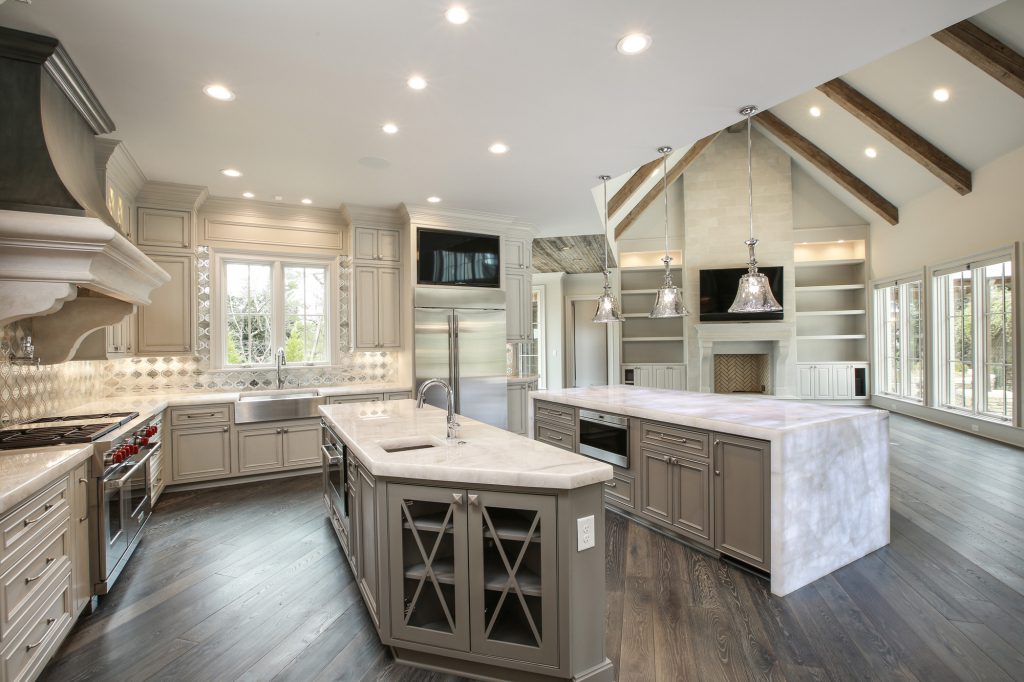
As householders look to improve their living spaces, they typically find a variety of remodeling services suited to various requirements and preferences. These projects are generally grouped into several types, each addressing specific aspects of residential enhancement. Renovating the kitchen involves upgrading equipment, storage units, and the design to enhance functionality and aesthetics. Bathroom remodeling typically involves updating the hardware, the ceramic work, and storage solutions for improved comfort and style.
Full-house renovation covers significant changes throughout the residence, often including structural alterations to optimize space and movement. External improvement work, in contrast, concentrate on enhancing the property's street view, handling the exterior walls, the covering, and the garden design. Additionally, specialized services including converting the cellar and upgrading the attic enable property owners to utilize fully unused areas. All these service types provides distinct advantages, allowing property owners to select choices that fit their desired outcome for their residence. Knowing these variations is crucial to making informed decisions while undertaking the upgrade.
Setting a Realistic Budget for Your Home Improvement Work
What steps ensure their home upgrades are kept within budget? Developing an achievable budget is vital. Homeowners should begin by determining their fiscal limits, including savings and potential financing detailed resource options. This preliminary action allows one to figure out the amount that can be set aside for the updating project while maintaining other fiscal obligations.
Afterward, those undertaking the remodel should research the costs associated with their desired renovations, taking into account materials, labor, and unexpected costs that frequently occur. Making an exhaustive list of needs helps with separating necessities from non-essential items, making it possible to adjust if funds become limited.
It's wise to include a contingency fund, generally 10-20% of the entire budget, to account for surprise expenditures. Frequently checking and modifying the budget as the updating work progresses can further assist in keeping finances in check. In the end, a carefully structured budget does more than just confirm the project can be done and makes the whole updating experience better for homeowners.
Finding the Best Contractor for Your Requirements.
Selecting the right contractor can greatly impact how well a renovation turns out. It is recommended that homeowners start by performing extensive investigation, asking for referrals from friends, family, or internet reviews. It’s vital to verify credentials, like licenses, insurance, and bonds, to establish credibility.
Once potential contractors are identified, property owners must ask for comprehensive quotes and schedules, making it possible to compare options knowledgeably. Meeting with them offers a look at their manner of communicating and their professional conduct, that are key to a cooperative effort.
In addition, looking at completed jobs through galleries or recommendations demonstrates the professional's skill level. Property owners must also ask about guarantees or assurances, which shows the professional's belief in their output.
In the end, choosing a professional who matches the homeowner's goals, finances, and schedule fosters a more positive remodeling experience, ensuring the work fulfills requirements and successfully updates the home's interior.
Structuring and Laying Out Your Ideal Space.
As homeowners envision their ideal spaces, careful planning and thoughtful design are crucial elements of an effective updating job. The initial phase includes assessing present requirements and long-term goals, which permits a comprehensive grasp of the room's intended function. Homeowners should consider functionality, visual appeal, and their individual taste, to guarantee the design showcases their unique preferences.
Next, creating a detailed budget is vital. This budget should accommodate supplies, labor, and possible unexpected costs. Consulting with design experts can give meaningful advice, assisting in improving the layout while adhering to budgetary constraints.
Including features such as natural light, open layouts, and eco-friendly supplies can improve the final result. In conclusion, visualizing the project through mock-ups or 3D visualizations can aid in refining ideas prior to construction. By approaching the planning and design phase with intention, homeowners can build a comfortable, effective space customized for their needs.
Navigating Permits and Regulations in Home Remodeling
Understanding the complexities of permits and regulations can be challenging for homeowners embarking on a renovation. Every local government sets particular guidelines that determine what is allowed during renovations, typically guided by zoning laws, construction standards, and safety standards. Homeowners must familiarize themselves with local regulations to prevent expensive penalties or project delays.
In most cases, getting permits is mandatory for substantial modifications, such as structural changes or new wiring installations. This process usually necessitates providing designs for examination and might demand site visits at multiple points.
Engaging a knowledgeable contractor can simplify this process, as they are typically experts in municipal rules and can aid in filing necessary forms. Owners must also maintain clear communication with the municipal planning office to guarantee compliance throughout the project. By comprehending and working within these rules, homeowners can fulfill their improvement aims while ensuring safety and legality in their renovations.
Common Queries
How Long Does a Typical Home Remodeling Project Take?
A standard home renovation generally requires three to six months on average, based on the size of the job, scale of the house, and supply chain status. Complex projects may require additional time for completion.
What are some typical errors to avoid while undertaking a remodel?
Frequent errors during remodeling are things like miscalculating costs, not securing the required permissions, not adhering to the project schedule, failing to communicate effectively with the construction team, and not considering long-term functionality. Understanding these dangers helps ensure a more efficient, more successful remodeling experience.
How should I go about choosing the appropriate materials for my renovation?
Choosing the right materials involves evaluating durability, aesthetics, and budget. Looking into different products, talking to specialists, and considering maintenance needs will significantly help to make smart choices, ensuring the project aligns your needs and preferences.
Will I be able to reside in my property during renovations?
It is possible to remain on the premises during renovations, but it could be uncomfortable. Thorough preparation, effective coordination with the renovation team, and designating specific areas where you can live normally can lessen the stress throughout the project.
What guarantees should I look for from the renovation company?
Homeowners should expect warranties that guarantee the quality of the work, the products installed, and structural components, which usually last between one to ten years. It is essential to examine specific terms and conditions in partnership with the renovation company to understand coverage and limitations fully.